
11 Stunning Types of Succulents for Your Home
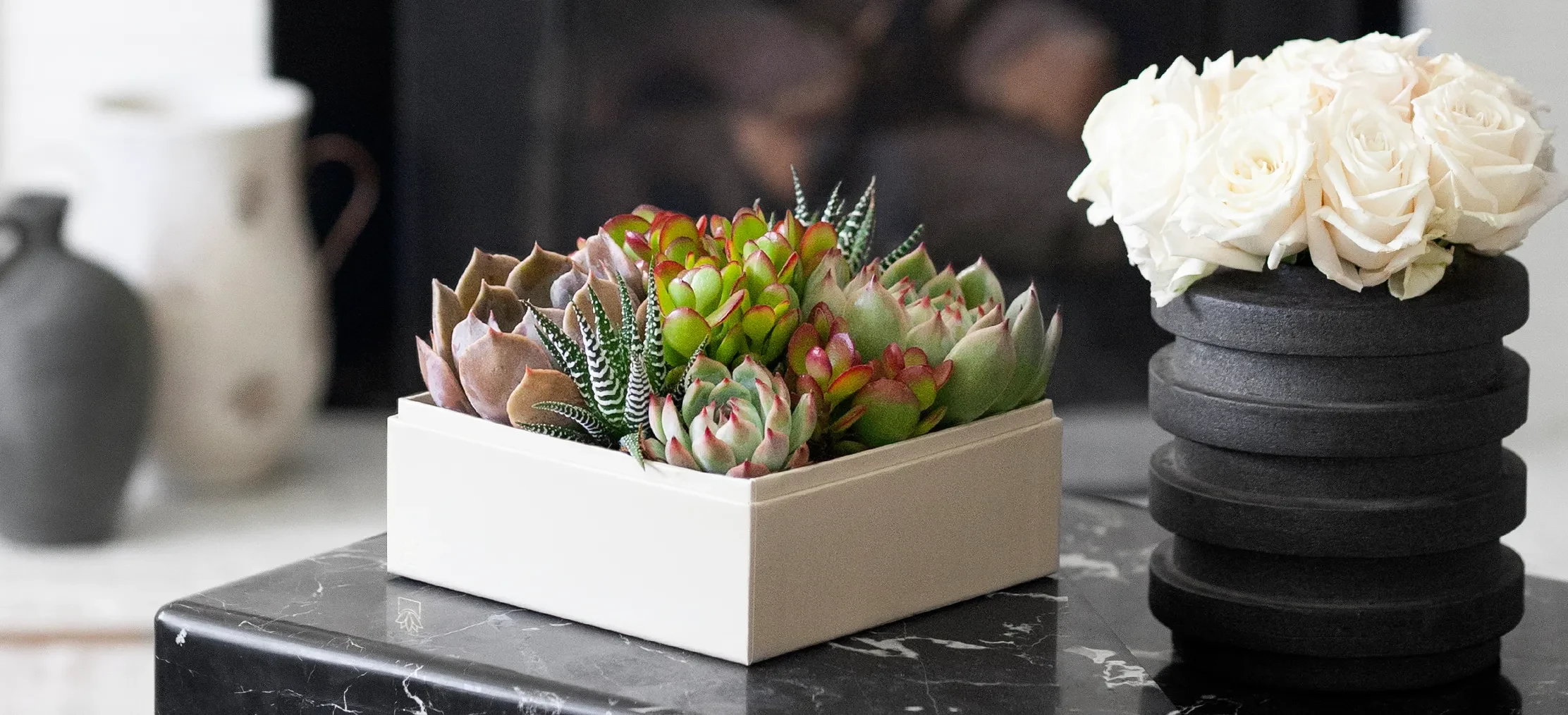
Succulents have become the stars of modern home decor, and it's easy to see why. These amazing plants store water in their thick, fleshy leaves, making them perfect for busy lifestyles. Whether you're a complete beginner or looking to expand your collection, understanding the different types of succulents will help you choose the perfect plants for your space. From trailing beauties to architectural statements, each variety brings its own charm to your home.
Succulents are plants that have evolved to store water in their leaves, stems, or roots. This special ability helps them survive in dry conditions. The main families include Crassulaceae (like jade plants), Cactaceae (cacti), and Agavaceae (aloe plants). While all cacti are succulents, not all succulents are cacti.
These plants make perfect houseplants because they need less water than traditional plants. They also come in amazing shapes, colors, and sizes. Succulent identification becomes easier once you learn the basic families and their features.
1. Echeveria - The Perfect Beginner Succulent
Echeveria plants form beautiful rosettes that look like flowers. They come in many colors, from blue-green to purple. These indoor succulents love bright light and need water only when the soil is completely dry. They're perfect for windowsills and desk spaces.
2. Aeonium - Dramatic Tree-Like Beauty
Aeonium succulents grow on stems, creating a tree-like look. Their rosettes can be huge, and some varieties have dark purple or black leaves. They prefer cooler temperatures and make stunning focal points in any room.
3. Sempervivum (Hens and Chicks) - Hardy Outdoor Favorite
These tough plants produce many small rosettes around the main plant. They're perfect outdoor succulents that can handle cold weather. The "mother hen" produces "chicks" that you can easily separate for new plants.
4. String of Pearls (Senecio rowleyanus) - Unique Cascading Beauty
This unusual succulent has round, bead-like leaves on long trailing stems. It's perfect for hanging baskets or high shelves. The pearls store water, making this plant very drought-tolerant.
5. String of Hearts (Ceropegia woodii) - Romantic Trailing Vine
With heart-shaped leaves and trailing vines, this succulent is perfect for romantic spaces. The leaves have beautiful silver markings, and the plant produces small purple flowers.
6. Burro's Tail (Sedum morganianum) - Plump Hanging Delight
This succulent has thick, plump leaves that overlap on long trailing stems. The blue-green color and soft texture make it a favorite for hanging displays. Handle gently, as the leaves fall off easily.
7. Jade Plant (Crassula ovata) - Classic Tree-Like Succulent
Jade plants are among the most popular succulent varieties. They grow into small trees with thick, glossy leaves. These plants can live for decades and are considered symbols of good luck.
8. Aloe Vera - Medicinal and Beautiful
Aloe vera combines beauty with function. The thick, spiky leaves contain healing gel that's great for burns and cuts. This plant prefers bright light and minimal water.
9. Snake Plant (Sansevieria) - Tall and Striking
Snake plants have tall, upright leaves with beautiful patterns. They're nearly impossible to kill and can handle low light conditions. These plants also clean the air in your home.
10. Lithops (Living Stones) - Nature's Camouflage Masters
Lithops look exactly like stones or pebbles. These amazing plants have evolved to blend in with rocks in their natural habitat. They need very little water and lots of bright light.
11. Kalanchoe - Colorful Flowering Succulent
Kalanchoe plants produce clusters of bright flowers in red, pink, yellow, or orange. The thick, scalloped leaves store water, and the flowers can last for months with proper care.
Most succulents can grow both indoors and outdoors, but some do better in specific conditions. Indoor succulents like echeveria, jade plants, and snake plants thrive in bright, indirect light. They prefer stable temperatures between 60-80°F.
Outdoor succulents like sempervivum and certain sedums can handle temperature changes and direct sunlight. They're perfect for rock gardens, containers, and landscape design. Consider your climate when choosing outdoor varieties.
Light is the most important factor. Indoor plants need bright windows or grow lights. Outdoor plants need to match your local climate conditions.
Good succulent soil drains quickly and doesn't hold too much water. Regular potting soil stays too wet for most succulents. You can buy special succulent soil or make your own by mixing regular potting soil with perlite and coarse sand.
A good soil mix should feel gritty and drain water quickly.
Succulent watering is simple once you learn the basic rule: water deeply but infrequently. Wait until the soil is completely dry, then water thoroughly.
Most succulents need water every 1-2 weeks in summer and less often in winter. Signs of overwatering include soft, yellow leaves and root rot. Underwatered plants have wrinkled, deflated leaves.
Succulent propagation is one of the most rewarding parts of growing these plants. Most succulents can be grown from leaf cuttings. Simply remove a healthy leaf, let it dry for a few days, then place it on succulent soil.
Stem cuttings work well for trailing varieties. Cut a healthy stem, let it dry, then plant in soil. Many succulents also produce offsets or "babies" that you can separate and replant.
Succulent identification starts with looking at leaf shape, growth pattern, and size. Rosette-forming plants like echeveria have leaves arranged in circles. Trailing plants have long stems with leaves along the length.
Look at leaf thickness, color, and texture. Some have smooth leaves, others are fuzzy or have bumps. Flower shape and color also help with identification when plants bloom.
Plant identification apps can help, but learning the basic families makes identification easier. Take photos of your plants and note their growth habits to track changes over time.
What are the main types of succulents?
The main types include Crassulaceae family (jade plants, echeveria, sedum), Cactaceae family (various cacti), and Agavaceae family (aloe, agave, yucca). Each family has distinct characteristics and care requirements.
What is the most popular succulent for beginners?
Jade plants and echeveria are among the most popular due to their forgiving nature and beautiful appearance. They handle succulent care mistakes well and grow reliably.
Can I use succulent soil for other plants?
While succulent soil works for some plants that prefer well-draining conditions, most houseplants need regular potting soil with better moisture retention.
What's the difference between trailing succulents and upright types?
Trailing succulents grow horizontally and cascade over container edges, while upright types grow vertically and maintain structured forms. Both have their place in home decor.
How do I choose the right succulent type for my home?
Consider your lighting conditions, available space, and maintenance preferences when selecting succulent types. Bright windows suit most varieties, while low-light areas work better for snake plants.
Understanding the different types of succulents opens up a world of possibilities for your home. Each variety brings its own beauty and personality to your space. Start with easy varieties like jade plants or echeveria, then expand your collection as you gain confidence. With proper succulent care, these amazing plants will bring joy and natural beauty to your home for years to come.

Sign up for our newsletter for updates.
