
Succulent Plant Species: A Complete Tutorial for Beginners
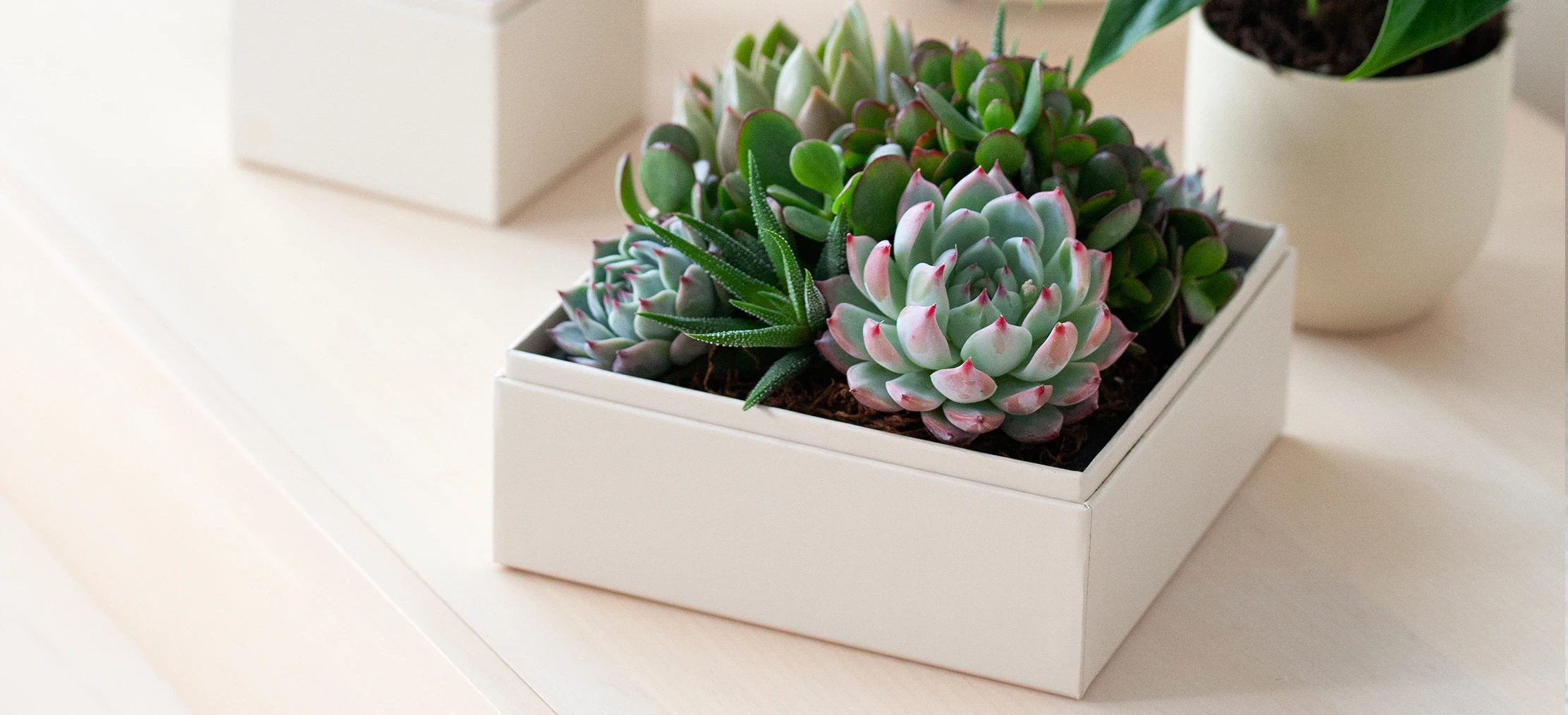
Succulent plants have become the stars of modern home decor, and for good reason. These amazing plants store water in their thick, fleshy leaves, making them perfect for busy lifestyles. Whether you're just starting your plant journey or looking to expand your green family, understanding different succulent plant species will help you choose the perfect plants for your space.
Succulent plants are nature's water-saving experts. They have thick, fleshy leaves or stems that store water for dry periods. This special feature makes them different from regular houseplants. The word "succulent" comes from the Latin word "sucus," which means juice or sap.
These plants developed their water-storing abilities over millions of years. They learned to survive in dry places like deserts and rocky areas. Their thick leaves act like tiny water tanks, keeping moisture safe for when the plant needs it most.
What makes succulents perfect for beginners? They forgive mistakes. If you forget to water them for a week or two, they'll be just fine. Their different succulent leaves come in amazing shapes, colors, and textures. Some look like roses, others like tiny trees, and some even look like living stones!
Most succulents have shallow root systems that spread wide rather than deep. This helps them catch water quickly when it rains. Their waxy coating on leaves also helps prevent water loss through evaporation.
The world of succulent varieties is huge! Scientists estimate there are over 10,000 different succulent species worldwide. They belong to many plant families, with the biggest groups being Crassulaceae, Cactaceae, and Asphodelaceae.
These plants grow naturally on every continent except Antarctica. You'll find them in African deserts, American mountains, and even European coastlines. Each region has its own special types that adapted to local conditions.
Some popular succulent names you might know include Aloe, Echeveria, and Jade plants. But there are thousands more waiting to be discovered. New species are still being found in remote areas around the world.
The amazing thing about succulent diversity is how different they can look. Some are tiny enough to fit in a teacup, while others grow into massive trees. This variety means there's a perfect succulent for every space and style.
Starting with common succulent plants is the best way to build confidence. These tried-and-true varieties are forgiving and beautiful.
Echeveria plants form perfect rosettes that look like flowers made of leaves. They come in colors from pale green to deep purple. These plants love bright light and need water only when their soil is completely dry.
Aloe plants are famous for their healing properties. Aloe vera is the most common type, but there are hundreds of varieties. Their thick, pointed leaves store gel that soothes burns and cuts. Most aloe plants prefer bright, indirect light.
Jade Plants (Crassula) are classic houseplants with thick, oval leaves. They can live for decades and even bloom with tiny white or pink flowers. These easy care succulents tolerate low light better than most succulents.
Sedum varieties include both tiny ground covers and tall, dramatic plants. String of Bananas and Burro's Tail are popular trailing types perfect for hanging baskets. They're nearly impossible to kill with neglect.
Agave plants make bold statements with their architectural shapes. While some grow huge outdoors, smaller varieties work well in containers. Their sword-like leaves create dramatic focal points.
Haworthia plants are perfect for small spaces. These compact succulents have interesting patterns on their leaves, often with white stripes or transparent "windows." They tolerate lower light than most succulents.
Choosing between indoor succulent types and outdoor succulent varieties depends on your climate and space. Many succulents can live happily in both environments with proper care.
The best indoor succulent types tolerate lower light and stable temperatures. String of Pearls creates beautiful cascading displays from shelves or hanging baskets. Snake plants (technically succulents!) handle low light and infrequent watering perfectly. Small Echeveria varieties add color to sunny windowsills.
For indoor success, choose spots with bright, indirect light. South-facing windows work well, but avoid placing plants directly against hot glass. Most indoor succulents prefer temperatures between 65-75°F.
Outdoor succulent varieties can handle temperature swings and intense sunlight. Agave plants create stunning landscape features in warm climates. Sedum varieties make excellent ground covers that spread naturally. Ice plants produce brilliant flowers and tolerate poor soil.
These low maintenance succulents work well in rock gardens, containers, or xeriscaped yards. They need good drainage and protection from freezing temperatures in most climates.
Succulent identification becomes easier when you know what to look for. Start with leaf shape, which is the biggest clue to plant identity.
Rosette-forming succulents like Echeveria and Aeonium arrange their leaves in circular patterns. These leaves might be spoon-shaped, pointed, or rounded. Colors range from green to purple, pink, or blue.
Paddle-shaped leaves appear on plants like Jade and Kalanchoe. These thick, flat leaves often have smooth edges, though some varieties have scalloped or toothed margins.
Needle-like leaves grow on plants like some Senecio varieties. These thin, cylindrical leaves point upward or outward from the stem. They often have a waxy coating that makes them appear blue or gray.
Growth patterns also help with identification. Some succulents form tight clumps, others trail or climb, and some grow as single specimens. Pay attention to whether your plant produces offsets (baby plants) or grows from a central point.
Texture provides another identification clue. Some succulents feel smooth and waxy, others are fuzzy or have tiny hairs. Some appear almost translucent, while others are thick and opaque.
Different succulent plant species have varying care needs, but most follow similar basic rules. Understanding these differences helps your plants thrive.
Watering schedules depend on the species and season. Desert natives like Agave need water only every few weeks, even in summer. Forest succulents like some Begonia varieties prefer more frequent watering. The "soak and dry" method works for most species: water thoroughly, then wait until soil is completely dry.
Light requirements vary significantly. High-light succulents like Echeveria need 6+ hours of bright light daily. They'll stretch and lose color in low light. Medium-light varieties like Haworthia prefer bright, indirect light. Low-light tolerant species like Snake plants adapt to various conditions.
Soil and drainage are crucial for all succulents. Use well-draining potting mix designed for cacti and succulents. Regular potting soil holds too much moisture and can cause root rot. Add perlite or coarse sand to improve drainage if needed.
Temperature tolerance ranges from very cold-hardy Sedum varieties that survive freezing to tropical species that need warmth year-round. Most houseplant succulents prefer temperatures between 60-80°F.
Fertilizing should be minimal for most succulents. Use diluted, balanced fertilizer once or twice during growing season. Over-fertilizing causes weak, stretched growth.
How do I find out what kind of succulent I have?
Start by examining leaf shape, growth pattern, and size. Take clear photos and use plant identification apps like PlantNet or iNaturalist. Compare your plant to online guides or visit local garden centers for expert help.
What are the most common succulent plants for beginners?
Jade plants, Echeveria, Aloe vera, and Sedum varieties are perfect starter plants. They tolerate mistakes and adapt to various conditions while remaining beautiful and low-maintenance.
How many species of succulents exist worldwide?
Scientists estimate over 10,000 succulent species exist globally, belonging to many different plant families. New species are discovered regularly in remote locations.
What are thick leaves that store water called?
Thick, water-storing leaves are called succulent leaves. They contain specialized tissue that holds water and nutrients, allowing plants to survive dry periods.
Which succulent varieties are easiest to care for?
Jade plants, most Sedum varieties, and Aloe plants are among the most forgiving. They tolerate irregular watering and various light conditions better than more sensitive species.
Can all succulent species be grown indoors?
Most small to medium succulents adapt well to indoor life with proper light and care. Large outdoor varieties like big Agave plants need outdoor space and intense sunlight to thrive.
Ready to start your succulent journey? These amazing plants offer endless variety and beauty with minimal effort. Choose a few beginner-friendly species, provide good drainage and appropriate light, and enjoy watching your collection grow. Remember, the best way to learn about succulents is to start growing them!

Sign up for our newsletter for updates.
