
9 Essential Succulent Watering Tips for Thriving Plants
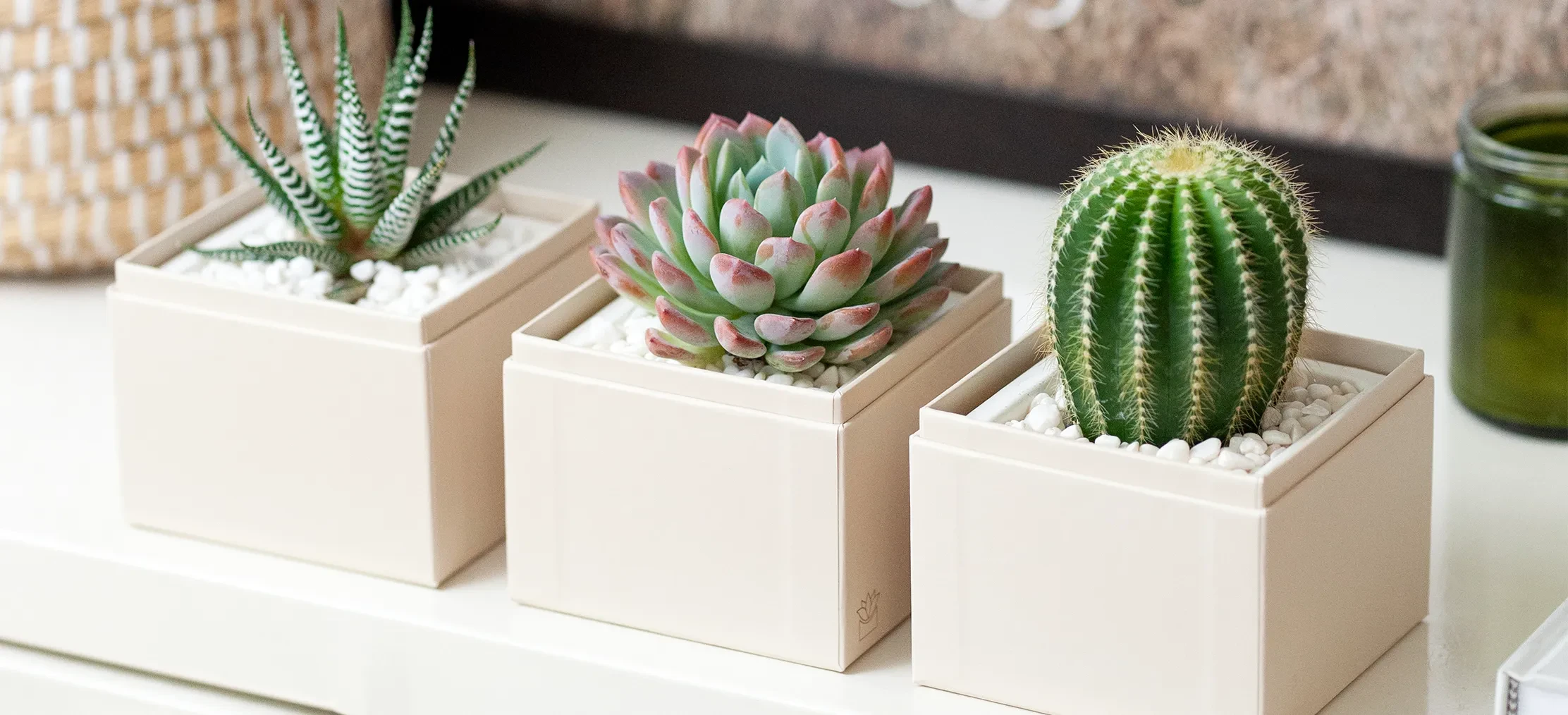
Watering succulent plants can feel like a mystery. These beautiful, low-maintenance plants seem simple to care for, but many plant parents struggle with getting the watering right. Too much water leads to root rot, while too little leaves your succulents looking sad and shriveled. The good news? Once you understand how these amazing plants work, watering succulents becomes much easier.
These nine essential tips will help you master succulent watering and keep your plants thriving year-round. Whether you're new to plant care or looking to improve your technique, these proven methods will give you the confidence to water your succulents like a pro.
Most people treat succulents like regular houseplants, but this approach often fails. Succulents come from dry, desert environments where rain is rare but intense. When it does rain, these plants drink deeply and store water in their thick leaves and stems.
This natural design means succulents prefer the "feast or famine" approach to water. They want a good, deep drink followed by a dry period. The common mistake of giving small amounts of water frequently actually stresses these plants and can cause root problems.
Succulent care watering works best when you mimic their natural environment. Think of it as giving your plants a refreshing drink after a drought, not a constant drip of moisture.
The soak and dry method is the foundation of proper succulent watering. This technique involves watering thoroughly, then waiting until the soil is completely dry before watering again.
Here's how to water succulents using this method:
Water slowly and evenly across the soil surface
Wait for soil to dry completely before the next watering
This approach ensures your succulent's roots get the deep hydration they need while preventing the soggy conditions that lead to rot. The dry period between waterings allows roots to breathe and prevents harmful bacteria from growing.
Both top and bottom watering work well for succulents, and each method has its benefits. Understanding when to use each technique will help you provide the best way to water succulents in different situations.
Bottom watering involves placing your pot in a tray of water and letting the soil absorb moisture from below. This method works especially well for small succulents or when you want to avoid getting water on the leaves.
Place your pot in about an inch of water for 10-15 minutes. The soil will draw water up through the drainage holes. Remove the pot when the top inch of soil feels moist.
Top watering gives you more control and works well for larger pots. Pour water directly onto the soil, avoiding the leaves. This method allows you to see exactly how much water you're giving and ensures even distribution.
Both methods follow the same principle: saturate the soil completely, then let it dry out before watering again.
Forget rigid watering schedules. Your succulents will tell you when they need water if you know what to look for. Watering frequency succulents depends on many factors like season, humidity, and pot size.
Signs your succulent needs water:
Leaves feel soft or look slightly wrinkled
Leaf color appears duller than usual
Soil is completely dry when you stick your finger into it
The pot feels noticeably lighter than when freshly watered
Test succulent soil moisture by inserting your finger about an inch into the soil. If it feels dry, it's time to water. If there's any moisture, wait a few more days and check again.
During growing season (spring and summer), most succulents need water every 1-2 weeks. In winter, they may only need water once a month or less.
Understanding the difference between overwatering succulents and underwatering succulents can save your plants from serious damage.
Overwatering is the number one killer of succulents. Watch for these symptoms:
Yellow, translucent, or mushy leaves
Leaves falling off easily when touched
Black or brown spots on leaves or stem
Soft, dark roots (root rot)
Fungal growth on soil surface
Underwatering succulents is less common but still problematic:
Leaves become wrinkled and deflated
Lower leaves dry up and drop off
Plant looks smaller or more compact
Soil pulls away from pot edges
Never use misting sprays on succulents. The shallow moisture encourages weak root growth and can lead to leaf rot.
Seasonal changes dramatically affect how often you should water your succulents. Most succulents grow actively in spring and summer, then slow down or go dormant in fall and winter.
During active growing months, your plants use more water and need more frequent watering. In winter, their metabolism slows down, and they need much less water. Watering succulent plants too frequently in winter often leads to root rot.
Summer watering might happen weekly, while winter watering could be monthly or less. Always let the plant and soil condition guide you rather than following a strict calendar.
The right setup makes proper succulent watering much easier.
Use a fast-draining soil mix designed for cacti and succulents. Regular potting soil holds too much moisture and can cause root problems. The right soil allows water to flow through quickly while still providing nutrients.
Choose watering tools that give you control. A watering can with a narrow spout or a squeeze bottle helps you direct water to the soil without splashing the leaves.
Standing water can be reabsorbed by the soil and create overly wet conditions.
If you've made watering mistakes, don't panic. Many succulents can recover with the right care.
For overwatered plants, stop watering immediately and improve drainage. Remove any mushy or rotted parts with clean scissors. Let the soil dry completely before considering the next watering.
For underwatered succulents, give them a thorough drink using the soak and dry method. Don't try to make up for lost time with extra water – just return to normal watering practices.
How often should I water my succulents?
Most succulents need water every 1-3 weeks, depending on the season and growing conditions. Always check soil moisture rather than following a rigid schedule.
Can I water succulents with ice cubes?
No, ice cubes provide too little water and can shock the roots with cold temperatures. Use room temperature water and the soak and dry method instead.
What if my pot doesn't have drainage holes?
Drainage holes are essential for healthy succulents. If you must use a pot without holes, water very carefully with only about ¼ of the pot volume and monitor soil moisture closely.
Should I water succulents from the top or bottom?
Both methods work well. Bottom watering prevents water on leaves, while top watering gives you more control over the amount of water.
Mastering these succulent watering tips takes practice, but your plants will reward you with healthy growth and beautiful colors. Remember, when in doubt, it's better to underwater than overwater. Your succulents are tougher than you think and will bounce back from a little drought much better than from soggy soil.

Sign up for our newsletter for updates.
